Posts Tagged ‘mental health’

“There are no dangerous thoughts; thinking itself is a dangerous activity.”—Hannah Arendt

The government’s war on homelessness—much like its war on terrorism, its war on drugs, its war on illegal immigration, and its war on COVID-19—is yet another Trojan Horse.

First, President Trump issues an executive order empowering federal agencies to clear out homeless encampments and lock up the homeless in mental institutions using involuntary civil commitment laws intended for dealing with individuals experiencing mental health crises.

Days later, a gunman allegedly suffering from a mental illness opens fire in New York City, killing four before turning the gun on himself.

Coming on the heels of Trump’s executive order aimed at “ending crime and disorder on America’s streets,” the shooting has all the makings of a modern-day Reichstag fire: a tragedy weaponized to justify allowing the government use mental illness as a pretext for locking more people up without due process.

An Orwellian exercise in doublespeak, Trump’s executive order suggests that jailing the homeless, rather than providing them with affordable housing, is the “compassionate” solution to homelessness.

According to USA Today, social workers, medical experts and mental health service providers say the president’s approach “will likely worsen homelessness across the country, particularly because Trump’s order contains no new funding for mental health or drug treatment. Additionally, they say the president appears to misunderstand the fundamental driver of homelessness: People can’t afford housing.

And then comes the kicker: Trump wants to see more use of civil commitments (forced detentions) for anyone who is perceived as posing a risk “to themselves or the public or are living on the streets and cannot care for themselves in appropriate facilities for appropriate periods of time.”

Translation: the government wants to use homelessness as a pretext for indefinitely locking up anyone who might pose a threat to its chokehold on police state power.

When you consider the ramifications of giving the American police state that kind of authority to preemptively neutralize a potential threat, you’ll understand why some might view these looming mental health round-ups with trepidation.

By directing police to carry out forced detentions of individuals based not on criminal behavior but on perceived mental instability or drug use, the Trump administration is attempting to sidestep fundamental constitutional protections—due process, probable cause, and the presumption of innocence—by substituting medical discretion for legal standards.

Taken to its authoritarian limits, this could allow the government to weaponize the label of mental illness as a means of exiling dissidents who refuse to march in lockstep with its dictates.

Police in cities like New York have already been empowered to forcibly detain individuals for psychiatric evaluations, based on vague, subjective criteria: having “firmly held beliefs not congruent with cultural ideas,” exhibiting “excessive fears,” or refusing “voluntary treatment.”

What happens when these criteria are expanded to encompass anyone who challenges the police state’s narrative?

Once the government is allowed to control the narrative over who is deemed mentally unfit, mental health care could become yet another pretext for pathologizing dissent in order to disarm and silence the government’s critics.

Take heed: this has the potential to become the next phase of the government’s war on thought crimes, cloaked in the guise of public health and safety.

According to the Associated Press, federal agencies have been exploring how to incorporate “identifiable patient data” into their surveillance toolkits, including behavioral health records.

The infrastructure is already in place to profile and detain individuals based on perceived psychological “risks.”

The government is actively exploring how to use data from wearable health devices—including heart rate, stress response, and sleep patterns—to flag individuals for intervention. Now imagine a future in which your Fitbit or Apple Watch triggers a mental health alert, resulting in your forced removal “for your own safety.”

Mass surveillance combined with artificial intelligence-powered programs that can track people by their biometrics and behavior, mental health sensor data (tracked by wearable data and monitored by government agencies such as HARPA), threat assessments, behavioral sensing warnings, precrime initiatives, red flag gun laws, mental health first-aid programs aimed at training gatekeepers to identify who might pose a threat to public safety, and government access to behavioral health records could pave the way for a regime of police state authoritarianism by way of preemptive mental health detentions.

If the police state is equipping itself to monitor, flag, and detain anyone it deems mentally unfit, without criminal charges or trial, this could be the tipping point in the government’s efforts to penalize those engaging in so-called “thought crimes.”

This is not about public safety. It’s about control.

We’ve seen this tactic before. When governments seek to suppress dissent without provoking outrage, they turn to psychiatric labels.

Throughout history, from Cold War-era Soviet gulags to modern pre-crime initiatives, authoritarian regimes have used psychiatric labels to isolate, discredit, and eliminate dissidents.  As historian Anne Applebaum notes, administrative exile, which required no trial and due process, “was an ideal punishment not only for troublemakers as such, but also for political opponents of the regime.”

The word “gulag” refers to a labor or concentration camp where prisoners (oftentimes political prisoners or so-called “enemies of the state,” real or imagined) were imprisoned as punishment for their crimes against the state. Soviet dissidents were often declared mentally ill, institutionalized in prisons disguised as psychiatric hospitals, and subjected to forced medication and psychological torture.

Totalitarian regimes used such tactics to isolate political dissidents from the rest of society, discredit their ideas, and break them physically and mentally.

In addition to declaring political dissidents mentally unsound, government officials in the Cold War-era Soviet Union also made use of an administrative process for dealing with individuals who were considered a bad influence on others or troublemakers. Author George Kennan describes a process in which:

The obnoxious person may not be guilty of any crime . . . but if, in the opinion of the local authorities, his presence in a particular place is “prejudicial to public order” or “incompatible with public tranquility,” he may be arrested without warrant, may be held from two weeks to two years in prison, and may then be removed by force to any other place within the limits of the empire and there be put under police surveillance for a period of from one to ten years.

Warrantless seizures, surveillance, indefinite detention, isolation, exile…sound familiar?

What’s unfolding in America is the modern police state’s version of that same script.

Civil commitment laws are found in all states and employed throughout American history.

Under the doctrines of parens patriae and police power, the government already claims authority to confine those deemed unable to act in their own best interest or who pose a threat to society.

When fused, these doctrines give the state enormous discretion to preemptively lock people up based on speculative future threats, not actual crimes.

This discretion is now expanding at warp speed.

The result is a Nanny State mindset carried out with the militant force of the Police State.

Once dissent is equated with danger—and danger with illness—those who challenge the state become medicalized threats, subject to detention not for what they’ve done, but for what they believe.

We’ve already seen what happens when dissent is pathologized and criminalized, and civil commitment laws are weaponized:

  • Russ Tice, an NSA whistleblower, was labeled “mentally unbalanced” after attempting to testify in Congress about the NSA’s warrantless wiretapping program.
  • Adrian Schoolcraft, an NYPD officer who exposed police corruption, was forcibly committed to a mental facility in retaliation.
  • Brandon Raub, a Marine who posted controversial political views on Facebook, was arrested and detained in a psychiatric ward under Virginia’s mental health laws.

These cases aren’t anomalies—they’re warning signs.

Government programs like Operation Vigilant Eagle, launched in 2009, characterized military veterans as potential domestic terrorists if they showed signs of being “disgruntled or disillusioned.” A 2009 DHS report broadly defined “rightwing extremists” as anyone seen as antigovernment.

The result? A surveillance dragnet aimed at military veterans, political dissidents, gun owners, and constitutionalists.

Now, under the banner of mental health, the same dragnet is being equipped with red flag gun laws, predictive policing, and involuntary detention authority.

In theory, these laws are meant to prevent harm. In practice, they punish thought, not conduct.

Trump’s latest executive order doesn’t just target the homeless—it establishes a precedent for rounding up anyone deemed a threat to the government’s version of law and order.

The same playbook that pathologized opposition to war or police brutality as “Oppositional Defiant Disorder” could now be used to classify political dissent as a psychiatric illness.

This is not hyperbole.

The government’s ability to silence dissent by labeling it as dangerous or diseased is well documented—and now it’s about to be codified into law.

Red flag gun laws, for example, authorize government officials to seize guns from individuals viewed as a danger to themselves or others. The stated intention is to disarm individuals who are potential threatsNo mental health diagnosis is required. No criminal charge. Just a hunch. Those most likely to be targeted? The people already on government watch lists: political activists, veterans, gun owners, and anyone labeled an “extremists”— a term that now applies to anyone critical of the government.

While the intention may appear reasonable—disarming people who pose an “immediate danger” to themselves or others—the problem arises when you put the power to determine who is a potential danger in the hands of a police state that equates dissent with extremism.

This is the same police state that uses the words “anti-government,” “extremist” and “terrorist” interchangeably.

The same police state whose agents are weaving a web of threat assessments, behavioral sensing warnings, flagged “words,” and “suspicious” activity reports using AI, social media surveillance, behavior sensing software, and citizen snitches to identify potential threats.

The same police state that renews the NDAA year after year—authorizing the indefinite military detention of U.S. citizens.

The same police state that considers you suspicious based on your religion, your bumper stickers, or your political beliefs.

As a New York Times editorial warns, you may be labeled an anti-government extremist (a.k.a. domestic terrorist) if you are afraid that the government is plotting to confiscate your firearms, believe the economy is about to collapse, fear the government will soon declare martial law, or display too many political and/or ideological bumper stickers on your car.

This is the same police state that now wants access to your mental health data, your digital footprint, your biometric records—and the legal authority to detain you for your own good.

And it’s the same police state that, facing rising protests, unrest, and collapsing public trust, is seeking new ways to suppress dissent—not through open force, but under the cover of public health.

This is where thought crimes become real crimes.

We’ve seen this trajectory before.

The war on drugs.

The war on terror.

The war on COVID.

Each began with real concerns. Each ended as a tool of compliance, coercion, and control.

Now, as I make clear in my book Battlefield America: The War on the American People and in its fictional counterpart The Erik Blair Diaries, we are entering a new war: the war on anti-government dissidents.

We are fast approaching a future where you can be locked up for the thoughts you think, the beliefs you hold, or the questions you ask.

The government will use any excuse to suppress dissent and control the narrative.

It will start with the homeless.

Then the mentally ill.

Then the so-called extremists.

Then the critics, the contrarians, and the constitutionalists.

Eventually, it will come for anyone who dares to get in the government’s way.

This is how tyranny rises. This is how freedom falls.

Unless we resist this creeping mental health gulag, the prison gates will eventually close on us all.

Source: https://tinyurl.com/3hy6km93

ABOUT JOHN W. WHITEHEAD

Constitutional attorney and author John W. Whitehead is founder and president of The Rutherford Institute. His most recent books are the best-selling Battlefield America: The War on the American People, the award-winning A Government of Wolves: The Emerging American Police State, and a debut dystopian fiction novel, The Erik Blair Diaries. Whitehead can be contacted at staff@rutherford.org. Nisha Whitehead is the Executive Director of The Rutherford Institute. Information about The Rutherford Institute is available at www.rutherford.org.

Publication Guidelines / Reprint Permission

John W. Whitehead’s weekly commentaries are available for publication to newspapers and web publications at no charge. 

“There are no dangerous thoughts; thinking itself is a dangerous activity.”—Hannah Arendt

Get ready for the next phase of the government’s war on thought crimes: mental health round-ups and involuntary detentions.

Under the guise of public health and safety, the government could use mental health care as a pretext for targeting and locking up dissidents, activists and anyone unfortunate enough to be placed on a government watch list.

If we don’t nip this in the bud, and soon, this will become yet another pretext by which government officials can violate the First and Fourth Amendments at will.

This is how it begins.

In communities across the nation, police are being empowered to forcibly detain individuals they believe might be mentally ill, based solely on their own judgment, even if those individuals pose no danger to others.

In New York City, for example, you could find yourself forcibly hospitalized for suspected mental illness if you carry “firmly held beliefs not congruent with cultural ideas,” exhibit a “willingness to engage in meaningful discussion,” have “excessive fears of specific stimuli,” or refuse “voluntary treatment recommendations.”

While these programs are ostensibly aimed at getting the homeless off the streets, when combined with advances in mass surveillance technologies, artificial intelligence-powered programs that can track people by their biometrics and behavior, mental health sensor data (tracked by wearable data and monitored by government agencies such as HARPA), threat assessments, behavioral sensing warnings, precrime initiatives, red flag gun laws, and mental health first-aid programs aimed at training gatekeepers to identify who might pose a threat to public safety, they could well signal a tipping point in the government’s efforts to penalize those engaging in so-called “thought crimes.”

As the AP reports, federal officials are already looking into how to add “‘identifiable patient data,’ such as mental health, substance use and behavioral health information from group homes, shelters, jails, detox facilities and schools,” to its surveillance toolkit.

Make no mistake: these are the building blocks for an American gulag no less sinister than that of the gulags of the Cold War-era Soviet Union.

The word “gulag” refers to a labor or concentration camp where prisoners (oftentimes political prisoners or so-called “enemies of the state,” real or imagined) were imprisoned as punishment for their crimes against the state.

The gulag, according to historian Anne Applebaum, used as a form of “administrative exile—which required no trial and no sentencing procedure—was an ideal punishment not only for troublemakers as such, but also for political opponents of the regime.”

Totalitarian regimes such as the Soviet Union also declared dissidents mentally ill and consigned political prisoners to prisons disguised as psychiatric hospitals, where they could be isolated from the rest of society, their ideas discredited, and subjected to electric shocks, drugs and various medical procedures to break them physically and mentally.

In addition to declaring political dissidents mentally unsound, government officials in the Cold War-era Soviet Union also made use of an administrative process for dealing with individuals who were considered a bad influence on others or troublemakers. Author George Kennan describes a process in which:

The obnoxious person may not be guilty of any crime . . . but if, in the opinion of the local authorities, his presence in a particular place is “prejudicial to public order” or “incompatible with public tranquility,” he may be arrested without warrant, may be held from two weeks to two years in prison, and may then be removed by force to any other place within the limits of the empire and there be put under police surveillance for a period of from one to ten years.

Warrantless seizures, surveillance, indefinite detention, isolation, exile… sound familiar?

It should.

The age-old practice by which despotic regimes eliminate their critics or potential adversaries by making them disappear—or forcing them to flee—or exiling them literally or figuratively or virtually from their fellow citizens—is happening with increasing frequency in America.

Now, through the use of red flag lawsbehavioral threat assessments, and pre-crime policing prevention programs, the groundwork is being laid that would allow the government to weaponize the label of mental illness as a means of exiling those whistleblowers, dissidents and freedom fighters who refuse to march in lockstep with its dictates.

That the government is using the charge of mental illness as the means by which to immobilize (and disarm) its critics is diabolical. With one stroke of a magistrate’s pen, these individuals are declared mentally ill, locked away against their will, and stripped of their constitutional rights.

These developments are merely the realization of various U.S. government initiatives dating back to 2009, including one dubbed Operation Vigilant Eagle which calls for surveillance of military veterans returning from Iraq and Afghanistan, characterizing them as extremists and potential domestic terrorist threats because they may be “disgruntled, disillusioned or suffering from the psychological effects of war.”

Coupled with the report on “Rightwing Extremism: Current Economic and Political Climate Fueling Resurgence in Radicalization and Recruitment” issued by the Department of Homeland Security (curiously enough, a Soviet term), which broadly defines rightwing extremists as individuals and groups “that are mainly antigovernment, rejecting federal authority in favor of state or local authority, or rejecting government authority entirely,” these tactics bode ill for anyone seen as opposing the government.

Thus, what began as a blueprint under the Bush administration has since become an operation manual for exiling those who challenge the government’s authority.

An important point to consider, however, is that the government is not merely targeting individuals who are voicing their discontent so much as it is locking up individuals trained in military warfare who are voicing feelings of discontent.

Under the guise of mental health treatment and with the complicity of government psychiatrists and law enforcement officials, these veterans are increasingly being portrayed as ticking time bombs in need of intervention.

For instance, the Justice Department launched a pilot program aimed at training SWAT teams to deal with confrontations involving highly trained and often heavily armed combat veterans.

One tactic being used to deal with so-called “mentally ill suspects who also happen to be trained in modern warfare” is through the use of civil commitment laws, found in all states and employed throughout American history to not only silence but cause dissidents to disappear.

For example, NSA officials attempted to label former employee Russ Tice, who was willing to testify in Congress about the NSA’s warrantless wiretapping program, as “mentally unbalanced” based upon two psychiatric evaluations ordered by his superiors.

NYPD Officer Adrian Schoolcraft had his home raided, and he was handcuffed to a gurney and taken into emergency custody for an alleged psychiatric episode. It was later discovered by way of an internal investigation that his superiors were retaliating against him for reporting police misconduct. Schoolcraft spent six days in the mental facility, and as a further indignity, was presented with a bill for $7,185 upon his release.

Marine Brandon Raub—a 9/11 truther—was arrested and detained in a psychiatric ward under Virginia’s civil commitment law based on posts he had made on his Facebook page that were critical of the government.

Each state has its own set of civil, or involuntary, commitment laws. These laws are extensions of two legal principlesparens patriae Parens patriae (Latin for “parent of the country”), which allows the government to intervene on behalf of citizens who cannot act in their own best interest, and police power, which requires a state to protect the interests of its citizens.

The fusion of these two principles, coupled with a shift towards a dangerousness standard, has resulted in a Nanny State mindset carried out with the militant force of the Police State.

The problem, of course, is that the diagnosis of mental illness, while a legitimate concern for some Americans, has over time become a convenient means by which the government and its corporate partners can penalize certain “unacceptable” social behaviors.

In fact, in recent years, we have witnessed the pathologizing of individuals who resist authority as suffering from oppositional defiant disorder (ODD), defined as “a pattern of disobedient, hostile, and defiant behavior toward authority figures.” Under such a definition, every activist of note throughout our history—from Mahatma Gandhi to Martin Luther King Jr.—could be classified as suffering from an ODD mental disorder.

Of course, this is all part of a larger trend in American governance whereby dissent is criminalized and pathologized, and dissenters are censored, silenced, declared unfit for society, labelled dangerous or extremist, or turned into outcasts and exiled.

Red flag gun laws (which authorize government officials to seize guns from individuals viewed as a danger to themselves or others), are a perfect example of this mindset at work and the ramifications of where this could lead.

As The Washington Post reports, these red flag gun laws “allow a family member, roommate, beau, law enforcement officer or any type of medical professional to file a petition [with a court] asking that a person’s home be temporarily cleared of firearms. It doesn’t require a mental-health diagnosis or an arrest.

With these red flag gun laws, the stated intention is to disarm individuals who are potential threats.

While in theory it appears perfectly reasonable to want to disarm individuals who are clearly suicidal and/or pose an “immediate danger” to themselves or others, where the problem arises is when you put the power to determine who is a potential danger in the hands of government agencies, the courts and the police.

Remember, this is the same government that uses the words “anti-government,” “extremist” and “terrorist” interchangeably.

This is the same government whose agents are spinning a sticky spider-web of threat assessments, behavioral sensing warnings, flagged “words,” and “suspicious” activity reports using automated eyes and ears, social media, behavior sensing software, and citizen spies to identify potential threats.

This is the same government that keeps re-upping the National Defense Authorization Act (NDAA), which allows the military to detain American citizens with no access to friends, family or the courts if the government believes them to be a threat.

This is the same government that has a growing list—shared with fusion centers and law enforcement agencies—of ideologies, behaviors, affiliations and other characteristics that could flag someone as suspicious and result in their being labeled potential enemies of the state.

For instance, if you believe in and exercise your rights under the Constitution (namely, your right to speak freely, worship freely, associate with like-minded individuals who share your political views, criticize the government, own a weapon, demand a warrant before being questioned or searched, or any other activity viewed as potentially anti-government, racist, bigoted, anarchic or sovereign), you could be at the top of the government’s terrorism watch list.

Moreover, as a New York Times editorial warns, you may be an anti-government extremist (a.k.a. domestic terrorist) in the eyes of the police if you are afraid that the government is plotting to confiscate your firearms, if you believe the economy is about to collapse and the government will soon declare martial law, or if you display an unusual number of political and/or ideological bumper stickers on your car.

Let that sink in a moment.

Now consider the ramifications of giving police that kind of authority in order to preemptively neutralize a potential threat, and you’ll understand why some might view these mental health round-ups with trepidation.

No matter how well-meaning the politicians make these encroachments on our rights appear, in the right (or wrong) hands, benevolent plans can easily be put to malevolent purposes.

Even the most well-intentioned government law or program can be—and has been—perverted, corrupted and used to advance illegitimate purposes once profit and power are added to the equation.

The war on terror, the war on drugs, the war on illegal immigration, the war on COVID-19: all of these programs started out as legitimate responses to pressing concerns and have since become weapons of compliance and control in the government’s hands. For instance, the very same mass surveillance technologies that were supposedly so necessary to fight the spread of COVID-19 are now being used to stifle dissent, persecute activists, harass marginalized communities, and link people’s health information to other surveillance and law enforcement tools.

As I make clear in my book Battlefield America: The War on the American People and in its fictional counterpart The Erik Blair Diaries, we are moving fast down that slippery slope to an authoritarian society in which the only opinions, ideas and speech expressed are the ones permitted by the government and its corporate cohorts.

We stand at a crossroads.

As author Erich Fromm warned, “At this point in history, the capacity to doubt, to criticize and to disobey may be all that stands between a future for mankind and the end of civilization.”

Source: https://tinyurl.com/2pkjkn5r

ABOUT JOHN W. WHITEHEAD

Constitutional attorney and author John W. Whitehead is founder and president of The Rutherford Institute. His most recent books are the best-selling Battlefield America: The War on the American People, the award-winning A Government of Wolves: The Emerging American Police State, and a debut dystopian fiction novel, The Erik Blair Diaries. Whitehead can be contacted at staff@rutherford.org. Nisha Whitehead is the Executive Director of The Rutherford Institute. Information about The Rutherford Institute is available at www.rutherford.org.

Publication Guidelines / Reprint Permission

John W. Whitehead’s weekly commentaries are available for publication to newspapers and web publications at no charge. Please contact staff@rutherford.org to obtain reprint permission.

“This should have never happened. We shouldn’t be living in a society where you call for help and be killed.”— Mother of Damian Daniels, who was shot by police during a wellness check

Think twice before you call the cops to carry out a welfare check on a loved one.

Especially if you value that person’s life.

Particularly if that person is disabled, mentally ill, elderly, autistic, hearing impaired, suffering from dementia, or might have a condition that hinders their ability to understand, communicate or immediately comply with an order.

According to an investigation by The Washington Postcops sent out on welfare checks ended up shooting or killing the very people they were supposed to assist in at least 178 cases over the course of three years.

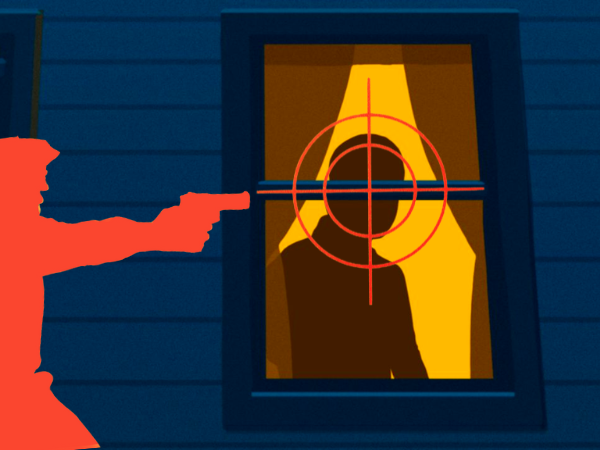
Atatiana Jefferson was neither disabled, mentally ill, elderly, autistic, hearing impaired, suffering from dementia. The 28-year-old Fort Worth resident was merely awake at 2:30 am, playing video games with her 8-year-old nephew in a house with its lights on and the front door open.

A neighbor, noticing the lights and open door, asked police to do a welfare check on the household. Instead of announcing themselves at the front door, police crept quietly around the house. Hearing noises outside, Jefferson approached her bedroom window to investigate.

Seeing Jefferson through the window, police yelled, “Put your hands up! Show me your hands!” Within seconds of issuing that order and without identifying themselves, police fired a single shot. Jefferson died on the scene.

Atatiana Jefferson’s death is yet one more grim statistic to add to that growing list of Americans—unarmed, impaired or experiencing a mental health crisis—who have been killed by police trained in the worst-case scenario and thus ready to shoot first and ask questions later.

The officer who fired the shot claimed he did so because he perceived “a threat.”

Be warned: to the armed agents of the America police state, we are all potential threats.

At a time when growing numbers of unarmed people have been shot and killed for just standing a certain way, or moving a certain way, or holding something—anything—that police could misinterpret to be a gun, or igniting some trigger-centric fear in a police officer’s mind that has nothing to do with an actual threat to their safety, even the most benign encounters with police can have fatal consequences.

For those undergoing a mental health crisis or with special needs whose disabilities may not be immediately apparent, the dangers posed by these so-called wellness checks are even greater.

For example, Walter Wallace Jr.—a troubled 27-year-old black man with a criminal history and mental health issues—died in a hail of bullets fired by two police officers who clearly had not been adequately trained in how to de-escalate encounters with special needs individuals.

Wallace wasn’t unarmed—he was reportedly holding a knife when police confronted him—yet neither cop attempted to use non-lethal weapons on Wallace, who appeared to be in the midst of a mental health crisis. In fact, neither cop even possessed a taser. Wallace, fired upon fourteen times, was pronounced dead at the hospital.

Gay Plack, a 57-year-old Virginia woman with bipolar disorder, was killed after two police officers—sent to do a welfare check on her—entered her home uninvited, wandered through the house shouting her name, kicked open her locked bedroom door, discovered the terrified woman hiding in a dark bathroom and wielding a small axe, and four seconds later, shot her in the stomach.

Four seconds.

That’s all the time it took for the two police officers assigned to check on Plack to decide to use lethal force against her (both cops opened fire on the woman), rather than using non-lethal options (one cop had a Taser, which he made no attempt to use) or attempting to de-escalate the situation.

The police chief defended his officers’ actions, claiming they had “no other option” but to shoot the 5 foot 4 inch “woman with carpal tunnel syndrome who had to quit her job at a framing shop because her hand was too weak to use the machine that cut the mats.”

This is what happens when you indoctrinate the police into believing that their lives and their safety are paramount to anyone else’s: suddenly, everyone and everything else is a threat that must be neutralized or eliminated.

In light of the government’s ongoing efforts to predict who might pose a threat to public safety based on mental health sensor data (tracked by wearable data such as FitBits and Apple Watches and monitored by government agencies such as HARPA, the “Health Advanced Research Projects Agency”), encounters with the police could get even more deadly, especially if those involved have a mental illness or disability.

As Steve Silberman writes for The New York Times “Anyone who cares for someone with a developmental disability, as well as for disabled people themselves [lives] every day in fear that their behavior will be misconstrued as suspicious, intoxicated or hostile by law enforcement.”

Indeed, disabled individuals make up a third to half of all people killed by law enforcement officers. People of color are three times more likely to be killed by police than their white counterparts. If you’re black and disabled, you’re even more vulnerable.

A study by the Ruderman Family Foundation reports that “disabled individuals make up the majority of those killed in use-of-force cases that attract widespread attention. This is true both for cases deemed illegal or against policy and for those in which officers are ultimately fully exonerated… Many more disabled civilians experience non-lethal violence and abuse at the hands of law enforcement officers.”

For instance, Nancy Schrock called 911 for help after her husband, Tom, who suffered with mental health issues, started stalking around the backyard, upending chairs and screaming about demons. Several times before, police had transported Tom to the hospital, where he was medicated and sent home after 72 hours. This time, Tom was tasered twice. He collapsed, lost consciousness and died.

In South Carolina, police tasered an 86-year-old grandfather reportedly in the early stages of dementia, while he was jogging backwards away from them. Now this happened after Albert Chatfield led police on a car chase, running red lights and turning randomly. However, at the point that police chose to shock the old man with electric charges, he was out of the car, on his feet, and outnumbered by police officers much younger than him.

In Georgia, campus police shot and killed a 21-year-old student who was suffering a mental health crisis. Scout Schultz was shot through the heart by campus police when he approached four of them late one night while holding a pocketknife, shouting “Shoot me!” Although police may have feared for their lives, the blade was still in its closed position.

In Oklahoma, police shot and killed a 35-year-old deaf man seen holding a two-foot metal pipe on his front porch (he used the pipe to fend off stray dogs while walking). Despite the fact that witnesses warned police that Magdiel Sanchez couldn’t hear—and thus comply—with their shouted orders to drop the pipe and get on the ground, police shot the man when he was about 15 feet away from them.

In Maryland, police (moonlighting as security guards) used extreme force to eject a 26-year-old man with Downs Syndrome and a low IQ from a movie theater after the man insisted on sitting through a second screening of a film. Autopsy results indicate that Ethan Saylor died of complications arising from asphyxiation, likely caused by a chokehold.

In Florida, police armed with assault rifles fired three shots at a 27-year-old nonverbal, autistic man who was sitting on the ground, playing with a toy truck. Police missed the autistic man and instead shot his behavioral therapist, Charles Kinsey, who had been trying to get him back to his group home. The therapist, bleeding from a gunshot wound, was then handcuffed and left lying face down on the ground for 20 minutes.

In Texas, police handcuffed, tasered and then used a baton to subdue a 7-year-old student who has severe ADHD and a mood disorder. With school counselors otherwise occupied, school officials called police and the child’s mother to assist after Yosio Lopez started banging his head on a wall. The police arrived first.

In New Mexico, police tasered, then opened fire on a 38-year-old homeless man who suffered from schizophrenia, all in an attempt to get James Boyd to leave a makeshift campsite. Boyd’s death provoked a wave of protests over heavy-handed law enforcement tactics.

In Ohio, police forcefully subdued a 37-year-old bipolar woman wearing only a nightgown in near-freezing temperatures who was neither armed, violent, intoxicated, nor suspected of criminal activity. After being slammed onto the sidewalk, handcuffed and left unconscious on the street, Tanisha Anderson died as a result of being restrained in a prone position.

And in North Carolina, a state trooper shot and killed a 29-year-old deaf motorist after he failed to pull over during a traffic stop. Daniel K. Harris was shot after exiting his car, allegedly because the trooper feared he might be reaching for a weapon.

These cases, and the hundreds—if not thousands—more that go undocumented every year speak to a crisis in policing when it comes to law enforcement’s failure to adequately assess, de-escalate and manage encounters with special needs or disabled individuals.

While the research is relatively scant, what has been happening is telling.

Over the course of six months, police shot and killed someone who was in mental crisis every 36 hours.

Among 124 police killings analyzed by The Washington Post in which mental illness appeared to be a factor, “They were overwhelmingly men, more than half of them white. Nine in 10 were armed with some kind of weapon, and most died close to home.”

But there were also important distinctions, reports the Post.

This group was more likely to wield a weapon less lethal than a firearm. Six had toy guns; 3 in 10 carried a blade, such as a knife or a machete — weapons that rarely prove deadly to police officers. According to data maintained by the FBI and other organizations, only three officers have been killed with an edged weapon in the past decade. Nearly a dozen of the mentally distraught people killed were military veterans, many of them suffering from post-traumatic stress disorder as a result of their service, according to police or family members. Another was a former California Highway Patrol officer who had been forced into retirement after enduring a severe beating during a traffic stop that left him suffering from depression and PTSD. And in 45 cases, police were called to help someone get medical treatment, or after the person had tried and failed to get treatment on his own.

The U.S. Supreme Court, as might be expected, has thus far continued to immunize police against charges of wrongdoing when it comes to use of force against those with a mental illness.

In a 2015 ruling, the Court declared that police could not be sued for forcing their way into a mentally ill woman’s room at a group home and shooting her five times when she advanced on them with a knife. The justices did not address whether police must take special precautions when arresting mentally ill individuals. (The Americans with Disabilities Act requires “reasonable accommodations” for people with mental illnesses, which in this case might have been less confrontational tactics.)

Where does this leave us?

For starters, we need better police training across the board, but especially when it comes to de-escalation tactics and crisis intervention.

A study by the National Institute of Mental Health found that Crisis Intervention Team-trained officers made fewer arrests, used less force, and connected more people with mental-health services than their non-trained peers.

As The Washington Post points out:

“Although new recruits typically spend nearly 60 hours learning to handle a gun, according to a recent survey by the Police Executive Research Forum, they receive only eight hours of training to de-escalate tense situations and eight hours learning strategies for handling the mentally ill. Otherwise, police are taught to employ tactics that tend to be counterproductive in such encounters, experts said. For example, most officers are trained to seize control when dealing with an armed suspect, often through stern, shouted commands. But yelling and pointing guns is ‘like pouring gasoline on a fire when you do that with the mentally ill,’ said Ron Honberg, policy director with the National Alliance on Mental Illness.”

Second, police need to learn how to slow confrontations down, instead of ramping up the tension (and the noise).

In Maryland, police recruits are now required to take a four-hour course in which they learn “de-escalation tactics” for dealing with disabled individuals: speak calmly, give space, be patient.

One officer in charge of the Los Angeles Police Department’s “mental response teams” suggests that instead of rushing to take someone into custody, police should try to slow things down and persuade the person to come with them.

Third, with all the questionable funds flowing to police departments these days, why not use some of those funds to establish what one disability-rights activist describes as “a 911-type number dedicated to handling mental-health emergencies, with community crisis-response teams at the ready rather than police officers.”

Increasingly, funds are being directed towards technologies that support predictive policing and behavioral and health surveillance. For instance, HARPA (a healthcare counterpart to the Pentagon’s research and development arm DARPA) would take the lead in identifying and targeting “signs” of mental illness or violent inclinations among the populace by using artificial intelligence to collect data from Apple Watches, Fitbits, Amazon Echo and Google Home.

It wouldn’t take much for these nascent predictive programs to give rise to healthcare versions of red flag gun laws, which allows the government to preemptively take action against individuals who may be perceived as potential threats. Where the problem arises is when you put the power to determine who is a potential danger in the hands of government agencies, the courts and the police.

In the end, while we need to make encounters with police officers safer for people with suffering from mental illness or with disabilities, what we really need—as I point out in my book Battlefield America: The War on the American People and in its fictional counterpart The Erik Blair Diaries—is to make encounters with police safer for all individuals all across the board.

Source: https://bit.ly/3MFpMq9

“Anyone who cares for someone with a developmental disability, as well as for disabled people themselves [lives] every day in fear that their behavior will be misconstrued as suspicious, intoxicated or hostile by law enforcement.”—Steve Silberman, The New York Times

They shot at him fourteen times.

Walter Wallace Jr.—a troubled 27-year-old black man with a criminal history and mental health issues—was no saint. Still, he didn’t deserve to die in a hail of bullets fired by two police officers who clearly had not been adequately trained in how to de-escalate encounters with special needs individuals.

Wallace wasn’t unarmed—he was reportedly holding a knife when police confronted him—yet neither cop attempted to use non-lethal weapons on Wallace, who appeared to be in the midst of a mental health crisis. In fact, neither cop even possessed a taser. Wallace, fired upon repeatedly by both officers, was hit in the shoulder and chest and pronounced dead at the hospital.

Wallace’s death is yet one more grim statistic to add to that growing list of Americans—unarmed, impaired or experiencing a mental health crisis—who have been killed by police trained to shoot first and ask questions later.

It’s also a powerful reminder to think twice before you call the cops to carry out a welfare check on a loved one. Especially if that person is autistic, hearing impaired, mentally ill, elderly, suffering from dementia, disabled or might have a condition that hinders their ability to understand, communicate or immediately comply with an order.

Particularly if you value that person’s life.

There are some things that don’t change. Even as the nation grapples with the twin distractions of political theater and a viral pandemic, there are still deadlier forces at play.

This is one of them.

At a time when growing numbers of unarmed people have been shot and killed for just standing a certain way, or moving a certain way, or holding something—anything—that police could misinterpret to be a gun, or igniting some trigger-centric fear in a police officer’s mind that has nothing to do with an actual threat to their safety, even the most benign encounters with police can have fatal consequences.

Unfortunately, police—trained in the worst case scenario and thus ready to shoot first and ask questions later—increasingly pose a risk to anyone undergoing a mental health crisis or with special needs whose disabilities may not be immediately apparent or require more finesse than the typical freeze-or-I’ll-shoot tactics employed by America’s police forces.

Just last year, in fact, Gay Plack, a 57-year-old Virginia woman with bipolar disorder, was killed after two police officers—sent to do a welfare check on her—entered her home uninvited, wandered through the house shouting her name, kicked open her locked bedroom door, discovered the terrified woman hiding in a dark bathroom and wielding a small axe, and four seconds later, shot her in the stomach.

Four seconds.

That’s all the time it took for the two police officers assigned to check on Plack to decide to use lethal force against her (both cops opened fire on the woman), rather than using non-lethal options (one cop had a Taser, which he made no attempt to use) or attempting to de-escalate the situation.

The police chief defended his officers’ actions, claiming they had “no other option” but to shoot the 5 foot 4 inch “woman with carpal tunnel syndrome who had to quit her job at a framing shop because her hand was too weak to use the machine that cut the mats.”

This is what happens when you empower the police to act as judge, jury and executioner.

This is what happens when you indoctrinate the police into believing that their lives and their safety are paramount to anyone else’s.

Suddenly, everyone and everything else is a threat that must be neutralized or eliminated.

In light of the government’s ongoing efforts to predict who might pose a threat to public safety based on mental health sensor data (tracked by wearable data such as FitBits and Apple Watches and monitored by government agencies such as HARPA, the “Health Advanced Research Projects Agency”), encounters with the police could get even more deadly, especially if those involved have a mental illness or disability.

Indeed, disabled individuals make up a third to half of all people killed by law enforcement officers. (People of color are three times more likely to be killed by police than their white counterparts.) If you’re black and disabled, you’re even more vulnerable.

A study by the Ruderman Family Foundation reports that “disabled individuals make up the majority of those killed in use-of-force cases that attract widespread attention. This is true both for cases deemed illegal or against policy and for those in which officers are ultimately fully exonerated… Many more disabled civilians experience non-lethal violence and abuse at the hands of law enforcement officers.”

For instance, Nancy Schrock called 911 for help after her husband, Tom, who suffered with mental health issues, started stalking around the backyard, upending chairs and screaming about demons. Several times before, police had transported Tom to the hospital, where he was medicated and sent home after 72 hours. This time, Tom was tasered twice. He collapsed, lost consciousness and died.

In South Carolina, police tasered an 86-year-old grandfather reportedly in the early stages of dementia, while he was jogging backwards away from them. Now this happened after Albert Chatfield led police on a car chase, running red lights and turning randomly. However, at the point that police chose to shock the old man with electric charges, he was out of the car, on his feet, and outnumbered by police officers much younger than him.

In Georgia, campus police shot and killed a 21-year-old student who was suffering a mental health crisis. Scout Schultz was shot through the heart by campus police when he approached four of them late one night while holding a pocketknife, shouting “Shoot me!” Although police may have feared for their lives, the blade was still in its closed position.

In Oklahoma, police shot and killed a 35-year-old deaf man seen holding a two-foot metal pipe on his front porch (he used the pipe to fend off stray dogs while walking). Despite the fact that witnesses warned police that Magdiel Sanchez couldn’t hear—and thus comply—with their shouted orders to drop the pipe and get on the ground, police shot the man when he was about 15 feet away from them.

In Maryland, police (moonlighting as security guards) used extreme force to eject a 26-year-old man with Downs Syndrome and a low IQ from a movie theater after the man insisted on sitting through a second screening of a film. Autopsy results indicate that Ethan Saylor died of complications arising from asphyxiation, likely caused by a chokehold.

In Florida, police armed with assault rifles fired three shots at a 27-year-old nonverbal, autistic man who was sitting on the ground, playing with a toy truck. Police missed the autistic man and instead shot his behavioral therapist, Charles Kinsey, who had been trying to get him back to his group home. The therapist, bleeding from a gunshot wound, was then handcuffed and left lying face down on the ground for 20 minutes.

In Texas, police handcuffed, tasered and then used a baton to subdue a 7-year-old student who has severe ADHD and a mood disorder. With school counselors otherwise occupied, school officials called police and the child’s mother to assist after Yosio Lopez started banging his head on a wall. The police arrived first.

In New Mexico, police tasered, then opened fire on a 38-year-old homeless man who suffered from schizophrenia, all in an attempt to get James Boyd to leave a makeshift campsite. Boyd’s death provoked a wave of protests over heavy-handed law enforcement tactics.

In Ohio, police forcefully subdued a 37-year-old bipolar woman wearing only a nightgown in near-freezing temperatures who was neither armed, violent, intoxicated, nor suspected of criminal activity. After being slammed onto the sidewalk, handcuffed and left unconscious on the street, Tanisha Anderson died as a result of being restrained in a prone position.

And in North Carolina, a state trooper shot and killed a 29-year-old deaf motorist after he failed to pull over during a traffic stop. Daniel K. Harris was shot after exiting his car, allegedly because the trooper feared he might be reaching for a weapon.

These cases, and the hundreds—if not thousands—more that go undocumented every year speak to a crisis in policing when it comes to law enforcement’s failure to adequately assess, de-escalate and manage encounters with special needs or disabled individuals.

While the research is relatively scant, what has been happening is telling.

Over the course of six months, police shot and killed someone who was in mental crisis every 36 hours.

Among 124 police killings analyzed by The Washington Post in which mental illness appeared to be a factor, “They were overwhelmingly men, more than half of them white. Nine in 10 were armed with some kind of weapon, and most died close to home.”

But there were also important distinctions, reports the Post.

This group was more likely to wield a weapon less lethal than a firearm. Six had toy guns; 3 in 10 carried a blade, such as a knife or a machete — weapons that rarely prove deadly to police officers. According to data maintained by the FBI and other organizations, only three officers have been killed with an edged weapon in the past decade. Nearly a dozen of the mentally distraught people killed were military veterans, many of them suffering from post-traumatic stress disorder as a result of their service, according to police or family members. Another was a former California Highway Patrol officer who had been forced into retirement after enduring a severe beating during a traffic stop that left him suffering from depression and PTSD. And in 45 cases, police were called to help someone get medical treatment, or after the person had tried and failed to get treatment on his own.

The U.S. Supreme Court, as might be expected, has thus far continued to immunize police against charges of wrongdoing when it comes to use of force against those with a mental illness.

In a 2015 ruling, the Court declared that police could not be sued for forcing their way into a mentally ill woman’s room at a group home and shooting her five times when she advanced on them with a knife. The justices did not address whether police must take special precautions when arresting mentally ill individuals. (The Americans with Disabilities Act requires “reasonable accommodations” for people with mental illnesses, which in this case might have been less confrontational tactics.)

Where does this leave us?

For starters, we need better police training across the board, but especially when it comes to de-escalation tactics and crisis intervention.

A study by the National Institute of Mental Health found that CIT (Crisis Intervention Team)-trained officers made fewer arrests, used less force, and connected more people with mental-health services than their non-trained peers.

As The Washington Post points out:

“Although new recruits typically spend nearly 60 hours learning to handle a gun, according to a recent survey by the Police Executive Research Forum, they receive only eight hours of training to de-escalate tense situations and eight hours learning strategies for handling the mentally ill. Otherwise, police are taught to employ tactics that tend to be counterproductive in such encounters, experts said. For example, most officers are trained to seize control when dealing with an armed suspect, often through stern, shouted commands. But yelling and pointing guns is ‘like pouring gasoline on a fire when you do that with the mentally ill,’ said Ron Honberg, policy director with the National Alliance on Mental Illness.”

Second, police need to learn how to slow confrontations down, instead of ramping up the tension (and the noise).

In Maryland, police recruits are now required to take a four-hour course in which they learn “de-escalation tactics” for dealing with disabled individuals: speak calmly, give space, be patient.

One officer in charge of the Los Angeles Police Department’s “mental response teams” suggests that instead of rushing to take someone into custody, police should try to slow things down and persuade the person to come with them.

Third, with all the questionable funds flowing to police departments these days, why not use some of those funds to establish what one disability-rights activist describes as “a 911-type number dedicated to handling mental-health emergencies, with community crisis-response teams at the ready rather than police officers.”

Increasingly, funds are being directed towards technologies that support predictive policing and behavioral and health surveillance. For instance, HARPA (a healthcare counterpart to the Pentagon’s research and development arm DARPA) would take the lead in identifying and targeting “signs” of mental illness or violent inclinations among the populace by using artificial intelligence to collect data from Apple Watches, Fitbits, Amazon Echo and Google Home. The Trump Administration has already awarded contracts worth $22.8 million to seven major corporations to develop artificial intelligence (AI) and machine learning connected to smartphone apps, wearable devices and software that can identify and trace contacts of “infected individuals,” keep track of “verified” COVID-19 test results, and monitor the health states of infected and “potentially” infected individuals.

It wouldn’t take much for these nascent predictive programs to give rise to healthcare versions of red flag gun laws, which allows the government to preemptively take action against individuals who may be perceived as potential threats. Where the problem arises is when you put the power to determine who is a potential danger in the hands of government agencies, the courts and the police.

In the end, while we need to make encounters with police officers safer for people with suffering from mental illness or with disabilities, what we really need—as I point out in my book Battlefield America: The War on the American People—is to make encounters with police safer for all individuals all across the board.

Source: https://bit.ly/3nthWCf

ABOUT JOHN W. WHITEHEAD

Constitutional attorney and author John W. Whitehead is founder and president of The Rutherford Institute. His new book Battlefield America: The War on the American People  is available at www.amazon.com. Whitehead can be contacted at johnw@rutherford.org.

Publication Guidelines / Reprint Permission

John W. Whitehead’s weekly commentaries are available for publication to newspapers and web publications at no charge. Please contact staff@rutherford.org to obtain reprint permission.
“Anyone who cares for someone with a developmental disability, as well as for disabled people themselves [lives] every day in fear that their behavior will be misconstrued as suspicious, intoxicated or hostile by law enforcement.”—Steve Silberman, The New York Times

Think twice before you call the cops to carry out a welfare check on a loved one.

Especially if that person is autistic, hearing impaired, mentally ill, elderly, suffering from dementia, disabled or might have a condition that hinders their ability to understand, communicate or immediately comply with an order.

Particularly if you value that person’s life.

At a time when growing numbers of unarmed people are being shot and killed for just standing a certain way, or moving a certain way, or holding something—anything—that police could misinterpret to be a gun, or igniting some trigger-centric fear in a police officer’s mind that has nothing to do with an actual threat to their safety, even the most benign encounters with police can have fatal consequences.

Unfortunately, police—trained in the worst case scenario and thus ready to shoot first and ask questions later—increasingly pose a risk to anyone undergoing a mental health crisis or with special needs whose disabilities may not be immediately apparent or require more finesse than the typical freeze-or-I’ll-shoot tactics employed by America’s police forces.

Just recently, in fact, Gay Plack, a 57-year-old Virginia woman with bipolar disorder, was killed after two police officers—sent to do a welfare check on her—entered her home uninvited, wandered through the house shouting her name, kicked open her locked bedroom door, discovered the terrified woman hiding in a dark bathroom and wielding a small axe, and four seconds later, shot her in the stomach.

Four seconds.

That’s all the time it took for the two police officers assigned to check on Plack to decide to use lethal force against her (both cops opened fire on the woman), rather than using non-lethal options (one cop had a Taser, which he made no attempt to use) or attempting to de-escalate the situation.

The police chief defended his officers’ actions, claiming they had “no other option” but to shoot the 5 foot 4 inch “woman with carpal tunnel syndrome who had to quit her job at a framing shop because her hand was too weak to use the machine that cut the mats.”

This is what happens when you empower the police to act as judge, jury and executioner.

This is what happens when you indoctrinate the police into believing that their lives and their safety are paramount to anyone else’s.

Suddenly, everyone and everything else is a threat that must be neutralized or eliminated.

In light of the government’s latest efforts to predict who might pose a threat to public safety based on mental health sensor data (tracked by wearable data such as FitBits and Apple Watches and monitored by government agencies such as HARPA, the “Health Advanced Research Projects Agency”), encounters with the police could get even more deadly, especially if those involved have a mental illness or disability.

Indeed, disabled individuals make up a third to half of all people killed by law enforcement officers.

That’s according to a study by the Ruderman Family Foundation,  which reports that “disabled individuals make up the majority of those killed in use-of-force cases that attract widespread attention. This is true both for cases deemed illegal or against policy and for those in which officers are ultimately fully exonerated… Many more disabled civilians experience non-lethal violence and abuse at the hands of law enforcement officers.”

For instance, Nancy Schrock called 911 for help after her husband, Tom, who suffered with mental health issues, started stalking around the backyard, upending chairs and screaming about demons. Several times before, police had transported Tom to the hospital, where he was medicated and sent home after 72 hours. This time, Tom was tasered twice. He collapsed, lost consciousness and died.

In South Carolina, police tasered an 86-year-old grandfather reportedly in the early stages of dementia, while he was jogging backwards away from them. Now this happened after Albert Chatfield led police on a car chase, running red lights and turning randomly. However, at the point that police chose to shock the old man with electric charges, he was out of the car, on his feet, and outnumbered by police officers much younger than him.

In Georgia, campus police shot and killed a 21-year-old student who was suffering a mental health crisis. Scout Schultz was shot through the heart by campus police when he approached four of them late one night while holding a pocketknife, shouting “Shoot me!” Although police may have feared for their lives, the blade was still in its closed position.

In Oklahoma, police shot and killed a 35-year-old deaf man seen holding a two-foot metal pipe on his front porch (he used the pipe to fend off stray dogs while walking). Despite the fact that witnesses warned police that Magdiel Sanchez couldn’t hear—and thus comply—with their shouted orders to drop the pipe and get on the ground, police shot the man when he was about 15 feet away from them.

In Maryland, police (moonlighting as security guards) used extreme force to eject a 26-year-old man with Downs Syndrome and a low IQ from a movie theater after the man insisted on sitting through a second screening of a film. Autopsy results indicate that Ethan Saylor died of complications arising from asphyxiation, likely caused by a chokehold.

In Florida, police armed with assault rifles fired three shots at a 27-year-old nonverbal, autistic man who was sitting on the ground, playing with a toy truck. Police missed the autistic man and instead shot his behavioral therapist, Charles Kinsey, who had been trying to get him back to his group home. The therapist, bleeding from a gunshot wound, was then handcuffed and left lying face down on the ground for 20 minutes.

In Texas, police handcuffed, tasered and then used a baton to subdue a 7-year-old student who has severe ADHD and a mood disorder. With school counselors otherwise occupied, school officials called police and the child’s mother to assist after Yosio Lopez started banging his head on a wall. The police arrived first.

In New Mexico, police tasered, then opened fire on a 38-year-old homeless man who suffered from schizophrenia, all in an attempt to get James Boyd to leave a makeshift campsite. Boyd’s death provoked a wave of protests over heavy-handed law enforcement tactics.

In Ohio, police forcefully subdued a 37-year-old bipolar woman wearing only a nightgown in near-freezing temperatures who was neither armed, violent, intoxicated, nor suspected of criminal activity. After being slammed onto the sidewalk, handcuffed and left unconscious on the street, Tanisha Anderson died as a result of being restrained in a prone position.

And in North Carolina, a state trooper shot and killed a 29-year-old deaf motorist after he failed to pull over during a traffic stop. Daniel K. Harris was shot after exiting his car, allegedly because the trooper feared he might be reaching for a weapon.

These cases, and the hundreds—if not thousands—more that go undocumented every year speak to a crisis in policing when it comes to law enforcement’s failure to adequately assess, de-escalate and manage encounters with special needs or disabled individuals.

While the research is relatively scant, what has been happening is telling.

Over the course of six months, police shot and killed someone who was in mental crisis every 36 hours.

Among 124 police killings analyzed by The Washington Post in which mental illness appeared to be a factor, “They were overwhelmingly men, more than half of them white. Nine in 10 were armed with some kind of weapon, and most died close to home.”

But there were also important distinctions, reports the Post.

This group was more likely to wield a weapon less lethal than a firearm. Six had toy guns; 3 in 10 carried a blade, such as a knife or a machete — weapons that rarely prove deadly to police officers. According to data maintained by the FBI and other organizations, only three officers have been killed with an edged weapon in the past decade. Nearly a dozen of the mentally distraught people killed were military veterans, many of them suffering from post-traumatic stress disorder as a result of their service, according to police or family members. Another was a former California Highway Patrol officer who had been forced into retirement after enduring a severe beating during a traffic stop that left him suffering from depression and PTSD. And in 45 cases, police were called to help someone get medical treatment, or after the person had tried and failed to get treatment on his own.

The U.S. Supreme Court, as might be expected, has thus far continued to immunize police against charges of wrongdoing when it comes to use of force against those with a mental illness.

In a 2015 ruling, the Court declared that police could not be sued for forcing their way into a mentally ill woman’s room at a group home and shooting her five times when she advanced on them with a knife. The justices did not address whether police must take special precautions when arresting mentally ill individuals. (The Americans with Disabilities Act requires “reasonable accommodations” for people with mental illnesses, which in this case might have been less confrontational tactics.)

Where does this leave us?

For starters, we need better police training across the board, but especially when it comes to de-escalation tactics and crisis intervention.

A study by the National Institute of Mental Health found that CIT (Crisis Intervention Team)-trained officers made fewer arrests, used less force, and connected more people with mental-health services than their non-trained peers.

As The Washington Post points out:

“Although new recruits typically spend nearly 60 hours learning to handle a gun, according to a recent survey by the Police Executive Research Forum, they receive only eight hours of training to de-escalate tense situations and eight hours learning strategies for handling the mentally ill. Otherwise, police are taught to employ tactics that tend to be counterproductive in such encounters, experts said. For example, most officers are trained to seize control when dealing with an armed suspect, often through stern, shouted commands. But yelling and pointing guns is ‘like pouring gasoline on a fire when you do that with the mentally ill,’ said Ron Honberg, policy director with the National Alliance on Mental Illness.”

Second, police need to learn how to slow confrontations down, instead of ramping up the tension (and the noise).

In Maryland, police recruits are now required to take a four-hour course in which they learn “de-escalation tactics” for dealing with disabled individuals: speak calmly, give space, be patient.

One officer in charge of the Los Angeles Police Department’s “mental response teams” suggests that instead of rushing to take someone into custody, police should try to slow things down and persuade the person to come with them.

Third, with all the questionable funds flowing to police departments these days, why not use some of those funds to establish what one disability-rights activist describes as “a 911-type number dedicated to handling mental-health emergencies, with community crisis-response teams at the ready rather than police officers.”

In the end, while we need to make encounters with police officers safer for people with suffering from mental illness or with disabilities, what we really need—as I point out in my book Battlefield America: The War on the American People—is to make encounters with police safer for all individuals all across the board.

Source: https://bit.ly/2mndta1

ABOUT JOHN W. WHITEHEAD

Constitutional attorney and author John W. Whitehead is founder and president of The Rutherford Institute. His new book Battlefield America: The War on the American People  is available at www.amazon.com. Whitehead can be contacted at johnw@rutherford.org.

Publication Guidelines / Reprint Permission

John W. Whitehead’s weekly commentaries are available for publication to newspapers and web publications at no charge. Please contact staff@rutherford.org to obtain reprint permission.
 

“There’s a tremendous push where if the kid’s behavior is thought to be quote-unquote abnormal — if they’re not sitting quietly at their desk — that’s pathological, instead of just childhood.”—Dr. Jerome Groopman, professor of medicine at Harvard Medical School

According to a recent report by the Centers for Disease Control, a staggering 6.4 million American children between the ages of 4 and 17 have been diagnosed with attention deficit hyperactivity disorder (ADHD), whose key symptoms are inattention, hyperactivity, and impulsivity—characteristics that most would consider typically childish behavior. High school boys, an age group particularly prone to childish antics and drifting attention spans, are particularly prone to being labeled as ADHD, with one out of every five high school boys diagnosed with the disorder.

Presently, we’re at an all-time high of eleven percent of all school-aged children in America who have been classified as mentally ill. Why? Because they “suffer” from several of the following symptoms: they are distracted, fidget, lose things, daydream, talk nonstop, touch everything in sight, have trouble sitting still during dinner, are constantly in motion, are impatient, interrupt conversations, show their emotions without restraint, act without regard for consequences, and have difficulty waiting their turn. 

The list reads like a description of me as a child. In fact, it sounds like just about every child I’ve ever known, none of whom are mentally ill. Unfortunately, society today is far less tolerant of childish behavior—hence, the growing popularity of the ADHD label, which has become the “go-to diagnosis” for children that don’t fit the psycho-therapeutic public school mold of quiet, docile and conformist.

Mind you, there is no clinical test for ADHD. Rather, this so-called mental illness falls into the “I’ll know it if I see it” category, where doctors are left to make highly subjective determinations based on their own observation, as well as interviews and questionnaires with a child’s teachers and parents. Particular emphasis is reportedly given to what school officials have to say about the child’s behavior.

Yet while being branded mentally ill at a young age can lead to all manner of complications later in life, the larger problem is the routine drugging that goes hand in hand with these diagnoses. Of those currently diagnosed with ADHD, a 16 percent increase since 2007, and a 41 percent increase over the past decade, two-thirds are being treated with mind-altering, psychotropic drugs such as Ritalin and Adderall.

Diagnoses of ADHD have been increasing at an alarming rate of 5.5 percent each year. Yet those numbers are bound to skyrocket once the American Psychiatric Association releases its more expansive definition of ADHD. Combined with the public schools’ growing intolerance (aka, zero tolerance) for childish behavior, the psychiatric community’s pathologizing of childhood, and the Obama administration’s new mental health initiative aimed at identifying and treating mental illness in young people, the outlook is decidedly grim for any young person in this country who dares to act like a child.

As part of his administration’s sweeping response to the Newtown school shootings, President Obama is calling on Congress to fund a number of programs aimed at detecting and responding to mental illness among young people. A multipronged effort, Obama’s proposal includes $50 million to train 5,000 mental health professionals to work with young people in communities and schools; $55 million for Project AWARE (Advancing Wellness and Resilience in Education), which would empower school districts, teachers and other adults to detect and respond to mental illness in 750,000 young people; and $25 million for state efforts to identify and treat adolescents and young adults.

One of the key components of Obama’s plan, mental health first-aid training for adults and students, is starting to gain traction across the country. Incredibly, after taking a mere 12-hour course comprised of PowerPoint presentations, videos, discussions, role playing and other interactive activities, for instance, a participant can be certified “to identify, understand and respond to the signs of mental illness, substance use and eating disorders.”

While commendable in its stated goals, there’s a whiff of something not quite right about a program whose supporting data claims that “26.2 percent of people in the U.S. — roughly one in four — have a mental health disorder in any given year.” This is especially so at a time when government agencies seem to be increasingly inclined to view outspoken critics of government policies as mentally ill and in need of psychiatric help and possible civil commitment. But I digress. That’s a whole other topic.

Getting back to young people, Dr. Thomas Friedan, director of the CDC, has characterized the nation’s current fixation on ADHD as an over diagnosis and a “misuse [of ADHD medications that] appears to be growing at an alarming rate.”

Indeed, not that long ago, the very qualities we now identify as a mental illness and target for drugging were hallmarks of the creative soul. Many of the artists, musicians, poets, politicians and revolutionaries whom we have come to revere in our society were unable to sit still, pay attention, concentrate on their work, and stay within the confines which had been set out for them in the classroom.

Visionaries as varied as Mahatma Gandhi, Richard Feynman, John Lennon, Pablo Picasso, Jackson Pollock, Thomas Edison, Susan B. Anthony, Albert Einstein, and Winston Churchill would have all been labeled ADHD had they been students in the public schools today. Legendary filmmaker Woody Allen claims to have “paid attention to everything but the teachers” while in school. Despite being put in an accelerated learning program due to his high IQ, he felt constrained, so he often played hooky and failed to complete his assignments. Of his school days, Gandhi said, “They were the most miserable of his life” and “that he had no aptitude for lessons and rarely appreciated his teachers.” In fact, Gandhi opined that it “might have been better if he had never been to school.”

One can only imagine what the world would have been like had these visionaries of Western civilization instead been diagnosed with ADHD and drugged accordingly. Writing for the New York Times, Bronwen Hruska documents what it was like as a parent being pressured by school officials to medicate her child who, at age 8, seemed to have “normal 8-year-old boy energy.”

Will was in third grade, and his school wanted him to settle down in order to focus on math worksheets and geography lessons and social studies. The children were expected to line up quietly and “transition” between classes without goofing around… And so it began. Like the teachers, we didn’t want Will to “fall through the cracks.” But what I’ve found is that once you start looking for a problem, someone’s going to find one, and attention deficit has become the go-to diagnosis… A few weeks later we heard back. Will had been given a diagnosis of inattentive-type A.D.H.D….The doctor prescribed methylphenidate, a generic form of Ritalin. It was not to be taken at home, or on weekends, or vacations. He didn’t need to be medicated for regular life. It struck us as strange, wrong, to dose our son for school. All the literature insisted that Ritalin and drugs like it had been proved “safe.” Later, I learned that the formidable list of possible side effects included difficulty sleeping, dizziness, vomiting, loss of appetite, diarrhea, headache, numbness, irregular heartbeat, difficulty breathing, fever, hives, seizures, agitation, motor or verbal tics and depression. It can slow a child’s growth or weight gain. Most disturbing, it can cause sudden death, especially in children with heart defects or serious heart problems.

As Hruska relates in painful detail, each time the overall effects of the drugs seemed to stop working, their doctor increased the dosage. Finally, towards the middle of fifth grade, Hruska’s son refused to take anymore pills. From then on, things began to change for the better. Will is now a sophomore in high school, 6 feet 3 inches tall, and is on the honor roll.

The drugs prescribed for Ritalin and Adderall and their generic counterparts are keystones in a multibillion dollar pharmaceutical industry that profits richly from America’s growing ADHD fixation. For example, between 2007 and 2012 alone, sales for ADHD drugs went from $4 billion to $9 billion.

If America could free itself of the stranglehold the pharmaceutical industry has on our medical community, our government and our schools, we may find that our so-called “problems” aren’t quite as bad as we’ve been led to believe. As Hruska concludes:

For [Will], it was a matter of growing up, settling down and learning how to get organized. Kids learn to speak, lose baby teeth and hit puberty at a variety of ages. We might remind ourselves that the ability to settle into being a focused student is simply a developmental milestone; there’s no magical age at which this happens.

Which brings me to the idea of “normal.” The Merriam-Webster definition, which reads in part “of, relating to, or characterized by average intelligence or development,” includes a newly dirty word in educational circles. If normal means “average,” then schools want no part of it. Exceptional and extraordinary, which are actually antonyms of normal, are what many schools expect from a typical student.

If “accelerated” has become the new normal, there’s no choice but to diagnose the kids developing at a normal rate with a disorder. Instead of leveling the playing field for kids who really do suffer from a deficit, we’re ratcheting up the level of competition with performance-enhancing drugs. We’re juicing our kids for school.

We’re also ensuring that down the road, when faced with other challenges that high school, college and adult life are sure to bring, our children will use the coping skills we’ve taught them. They’ll reach for a pill.